
Xanthelasma Assessment & Treatment
Medical Assessment and Management of Xanthelasma
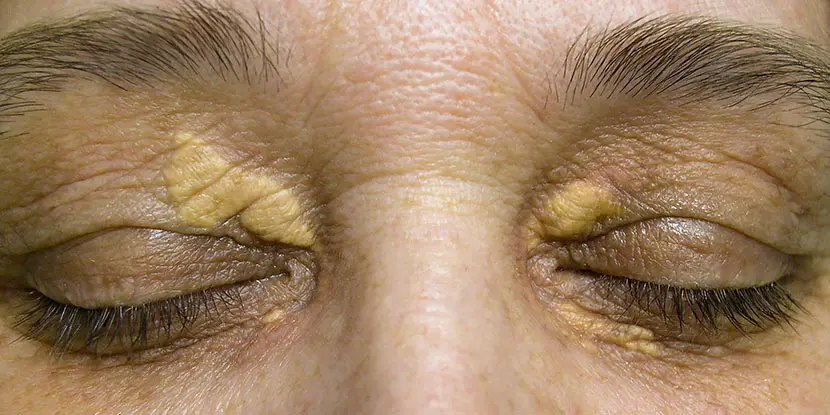
Xanthelasma refers to soft, yellowish plaques that develop on or around the eyelids. These lesions are caused by deposits of cholesterol-containing material within the skin and are usually benign.
Although xanthelasma does not typically affect vision or eye function, some individuals seek medical assessment because the plaques become more noticeable or for cosmetic reasons.
A medical assessment helps confirm the diagnosis, determine whether additional medical evaluation is appropriate, and discuss suitable management options.
Key Points
- Xanthelasma appears as soft, yellowish plaques around the eyelids.
- The condition is usually benign and does not typically affect vision.
- Some individuals with xanthelasma may have underlying lipid abnormalities, while others have normal cholesterol levels.
- Medical assessment helps confirm the diagnosis and determine whether further investigations are recommended.
- Not every xanthelasma lesion requires treatment.
- Management depends on the size, location, and characteristics of the lesion, as well as individual clinical assessment.
- A consultation with a doctor is required to discuss suitability, treatment options, expected limitations, possible risks, alternatives, and aftercare.
What Is Xanthelasma?
Xanthelasma is the most common type of cholesterol deposit found within the skin. It most commonly appears as:
- soft yellow or yellow-white plaques
- flat or slightly raised lesions
- deposits near the inner corners of the upper or lower eyelids
The lesions usually develop gradually and may increase in size over time.
What Causes Xanthelasma?
The exact cause of xanthelasma is not fully understood. Some individuals with xanthelasma have elevated cholesterol or other lipid disorders, while others have normal lipid levels.
Factors that may be associated with xanthelasma include:
- elevated cholesterol
- elevated triglycerides
- inherited lipid disorders
- diabetes
- increasing age
- family history
Your doctor may recommend further medical evaluation where appropriate.
Does Xanthelasma Always Need Treatment?
No. Many xanthelasma lesions do not require treatment. Whether treatment is appropriate depends on factors such as:
- the size of the lesion
- its location
- whether it has changed over time
- individual treatment goals
- clinical assessment
In some cases, observation without treatment may be appropriate.
When Should Xanthelasma Be Assessed?
You may wish to arrange a consultation if:
- you notice yellowish plaques around your eyelids
- the lesions increase in size
- their appearance changes
- you are unsure whether the lesion is xanthelasma
- you would like to discuss management options
Assessment also allows your doctor to determine whether additional medical evaluation is appropriate.
How Is Xanthelasma Assessed?
During your consultation, your doctor will assess:
- the appearance of the lesions
- their size
- location
- medical history
- family history
- previous treatments, if applicable
Depending on your individual circumstances, your doctor may also recommend further medical investigations where clinically appropriate.
What Treatment Options May Be Discussed?
Management depends on the diagnosis and individual clinical assessment. Depending on your condition, your doctor may discuss:
- observation without treatment
- laser-based procedures where clinically appropriate
- minor procedural options where appropriate
- referral for further medical evaluation when indicated
Not every xanthelasma lesion requires treatment, and not every lesion is suitable for the same management approach.
What Happens During Treatment?
If treatment is considered appropriate following assessment, your doctor will explain:
- the recommended procedure
- the expected treatment course
- possible risks and limitations
- aftercare instructions
- alternative management options where applicable
The number of treatment sessions and follow-up appointments varies according to the management plan.
What Should I Expect After Treatment?
Recovery and follow-up depend on the procedure performed and individual factors.
Your doctor will advise you on:
- expected recovery
- aftercare requirements
- follow-up appointments
- signs that should prompt medical review
Treatment outcomes and recovery vary between individuals.
What Are the Possible Risks and Side Effects?
The possible risks depend on the treatment performed.
Temporary effects may include:
- redness
- swelling
- mild discomfort
- bruising
- crusting
Less common risks may include:
- infection
- pigment changes
- scarring
- recurrence of the
- lesion
Your doctor will discuss the expected benefits, limitations, possible risks, alternatives, and recovery before treatment.
Who May Not Be Suitable for Treatment?
Certain procedures may not be appropriate for individuals who:
- have an active skin infection in the treatment area
- have medical conditions requiring further evaluation before treatment
- have lesions requiring additional investigation before cosmetic management
Suitability can only be determined during a medical consultation.
Frequently Asked Questions
Is xanthelasma dangerous?
Xanthelasma is usually a benign condition. However, medical assessment is recommended to confirm the diagnosis and determine whether further evaluation is appropriate.
Does xanthelasma mean I have high cholesterol?
Not necessarily. Some individuals with xanthelasma have elevated cholesterol levels, while others have normal lipid profiles. Your doctor may recommend further assessment where appropriate.
Does every xanthelasma lesion need treatment?
No. Many lesions do not require treatment. Whether treatment is appropriate depends on the findings during medical assessment and your individual circumstances.
Can xanthelasma return after treatment?
The long-term behaviour of xanthelasma varies between individuals. Your doctor will discuss what to expect based on your diagnosis and management plan.
How many treatment sessions are needed?
The number of treatment sessions varies according to the characteristics of the lesion, the treatment selected, and your individual clinical assessment.
Should I have my cholesterol checked?
Depending on your medical history and clinical assessment, your doctor may recommend further investigations, including lipid testing, where appropriate.
Considering Assessment for Xanthelasma?
If you have noticed yellowish plaques around your eyelids or would like to understand whether treatment is appropriate, your doctor can assess the lesions and discuss the available management options based on your individual condition.
General Information
The information on this page is for general education and does not replace individual medical advice. Suitability, treatment options, risks, fees and expected outcomes can only be determined following consultation with a doctor. Results vary between individuals.
Medical Consultation
A medical consultation is required to assess suitability and discuss the expected benefits, limitations, possible risks, alternatives and recovery.