
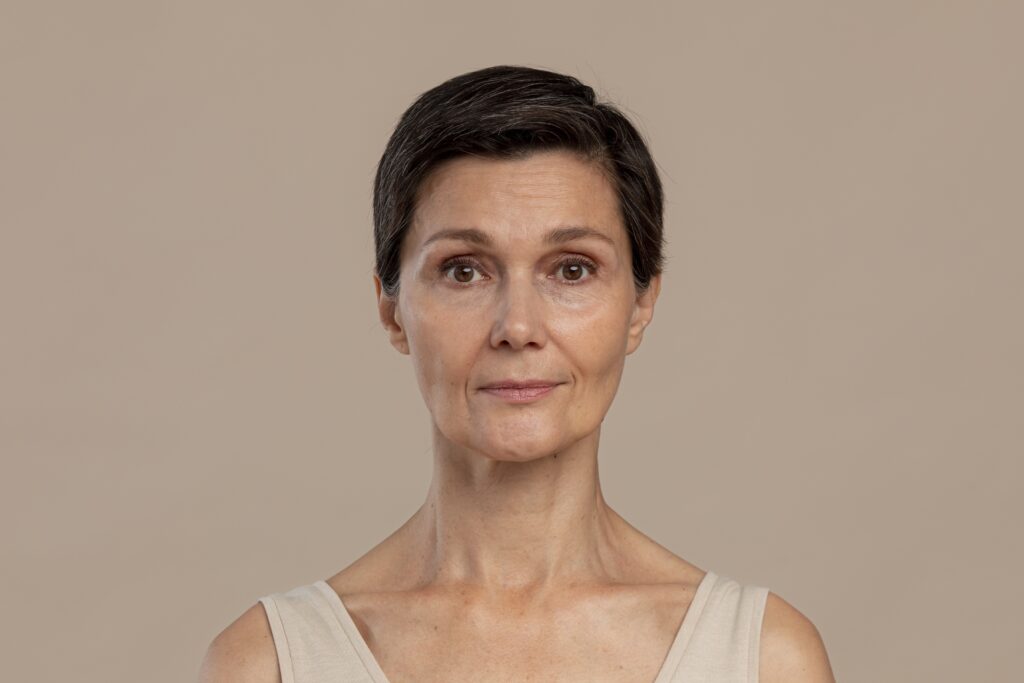
Have you noticed that your skin does not feel as firm as it used to? Perhaps fine lines appear more visible, your cheeks look less defined, or your skin seems thinner and less smooth. These changes can occur gradually as part of the natural ageing process, with collagen loss being one contributing factor.
Collagen is an important structural protein that helps maintain the skin’s strength, firmness and support. As collagen production changes with age, the skin’s structure also changes, affecting its appearance and texture. Understanding how collagen loss affects the skin can help you make informed decisions about skincare, prevention and possible treatment options.
What Is Collagen and Why Is It Important for Skin?
Collagen is a protein found throughout the body, including the skin, bones, tendons and connective tissues. In the skin, it is primarily found in the dermis, the deeper layer beneath the epidermis.
The dermis contains a network of collagen fibres that provides structural support. These fibres help the skin maintain its firmness and resist stretching. Collagen also works alongside elastin and other components of the skin’s extracellular matrix to support its structure and elasticity.
Fibroblasts, which are specialised cells in the dermis, produce collagen and help maintain this supportive network.
As part of the natural ageing process, collagen production gradually declines while existing collagen fibres become fragmented and less organised. This affects the skin’s ability to maintain its structural support.
How Does Collagen Loss Affect Skin Firmness and Texture?
Collagen loss can contribute to several visible and structural changes in the skin.
1. Reduced Skin Firmness
One of the more noticeable effects of collagen loss is reduced skin firmness. When the dermal collagen network becomes weaker and less organised, the skin may have less structural support.
This can contribute to changes such as:
- Looser-looking skin around the cheeks and jawline.
- Less defined facial contours.
- Increased skin laxity around the neck.
- Fine lines becoming more noticeable.
However, skin laxity is not caused by collagen loss alone. Changes in elastin, facial fat distribution, bone structure and other age-related processes can also influence how the face looks over time.
2. Reduced Elasticity
Skin elasticity refers to its ability to stretch and return towards its original shape. Collagen provides structural strength, while elastin plays a more direct role in allowing the skin to stretch and recoil.
As these supporting components change with age, the skin may become less resilient.
You may notice that certain areas appear less supple or that lines remain visible for longer after facial expressions. These changes are influenced by several factors, including the condition of the skin’s connective tissue.
3. More Visible Fine Lines and Wrinkles
Collagen helps support the skin from within. As its quantity and organisation change, the skin may become thinner and less able to maintain a smooth appearance.
This can contribute to the development of fine lines and wrinkles, particularly around areas that experience repeated facial movements, such as the forehead, eyes and mouth.
Sun exposure can also accelerate these changes by increasing the breakdown of collagen in the dermis.
4. Changes in Skin Texture
Collagen loss can affect the skin’s overall structure, contributing to a thinner or less even appearance.
Some people may notice:
- More visible fine lines.
- A crepey appearance in certain areas.
- Less smooth-looking skin.
- Changes in skin thickness and resilience.
It is important to recognise that uneven skin texture is not always caused by collagen depletion. Dehydration, sun damage, acne scarring, enlarged pores and changes in skin cell turnover can also affect the skin’s surface.
Identifying the underlying cause is important when considering suitable skincare or treatment options.
What Causes Collagen Loss?
Collagen production and breakdown are influenced by both internal and external factors.
Natural ageing: Collagen production gradually changes as the body ages. Fibroblast activity also changes, affecting the skin’s ability to maintain and repair its structural support.
Ultraviolet (UV) exposure: Repeated exposure to sunlight can contribute to collagen breakdown. UV radiation activates enzymes that degrade collagen fibres, contributing to premature skin ageing.
Smoking: Chemicals in cigarette smoke can contribute to oxidative stress and processes associated with collagen degradation.
Environmental factors: Pollution and other environmental exposures may contribute to oxidative stress, which can affect skin health.
Lifestyle factors: Inadequate nutrition, insufficient sleep and other lifestyle factors may influence overall skin health and its ability to maintain normal repair processes.
While ageing cannot be prevented, understanding these factors can help you make choices that support long-term skin health.
Can You Slow Down Collagen Loss?
Although collagen loss is a natural part of ageing, certain habits can help reduce avoidable damage to the skin.
Consider incorporating these practices into your routine:
- Use broad-spectrum sunscreen: Apply sunscreen daily and reapply as appropriate, particularly when spending time outdoors. Sun protection helps reduce UV-related skin damage.
- Maintain a consistent skincare routine: Gentle cleansing and regular moisturising help support the skin barrier and maintain hydration.
- Consider suitable active ingredients: Ingredients such as retinoids may help improve the appearance of photoaged skin. Their suitability depends on individual skin concerns and tolerance.
- Maintain a balanced diet: Adequate protein and a variety of nutrient-rich foods support normal bodily functions, including collagen synthesis.
- Avoid smoking: Reducing or avoiding smoking can help limit one source of oxidative stress and skin damage.
These measures support general skin health but cannot completely prevent age-related collagen changes.
What Treatments May Address Changes Associated With Collagen Loss?
If changes in skin firmness or texture are a concern, different treatment approaches may be discussed depending on the underlying cause. Options may include selected skin rejuvenation procedures, energy-based treatments or other approaches intended to address specific skin concerns.
However, not every treatment works in the same way, and suitability varies according to skin condition, age, medical history, facial anatomy and previous treatments. At Neuglow, a doctor-led assessment can help identify the factors contributing to changes in your skin. Based on the findings, the doctor can discuss appropriate options, including their potential benefits, limitations and possible risks. Treatment outcomes also vary between individuals, and no procedure can completely reverse the natural ageing process.
Frequently Asked Questions
At What Age Does Collagen Loss Begin?
Collagen production gradually declines from early adulthood, although the rate and visible effects vary between individuals. Genetics, sun exposure, lifestyle and other factors can influence when changes become noticeable.
Does Collagen Loss Always Cause Sagging Skin?
No. Collagen loss can contribute to reduced skin firmness and elasticity, but sagging also involves changes in elastin, facial fat, bone structure and other supporting tissues.
Can Skincare Products Restore Lost Collagen?
Some skincare ingredients, including retinoids, may support improvements in the appearance of photoaged skin and influence collagen-related processes. However, topical products cannot fully restore the skin’s original collagen structure.
Knowing Your Skin’s Changing Needs
Collagen plays an important role in maintaining skin firmness and structural support. As collagen production and organisation change with age, you may notice differences in elasticity, facial contours and skin texture.
Although these changes are a normal part of ageing, sun protection and a consistent skincare routine can help support skin health. If you are concerned about changes in your skin, consulting a doctor can help clarify the possible causes and whether any treatment options may be appropriate.
At Neuglow, a doctor-led approach considers your skin concerns, facial anatomy, medical history and previous treatments when discussing possible ways to address changes in skin firmness and texture.