Do Freckles Fade with Age?
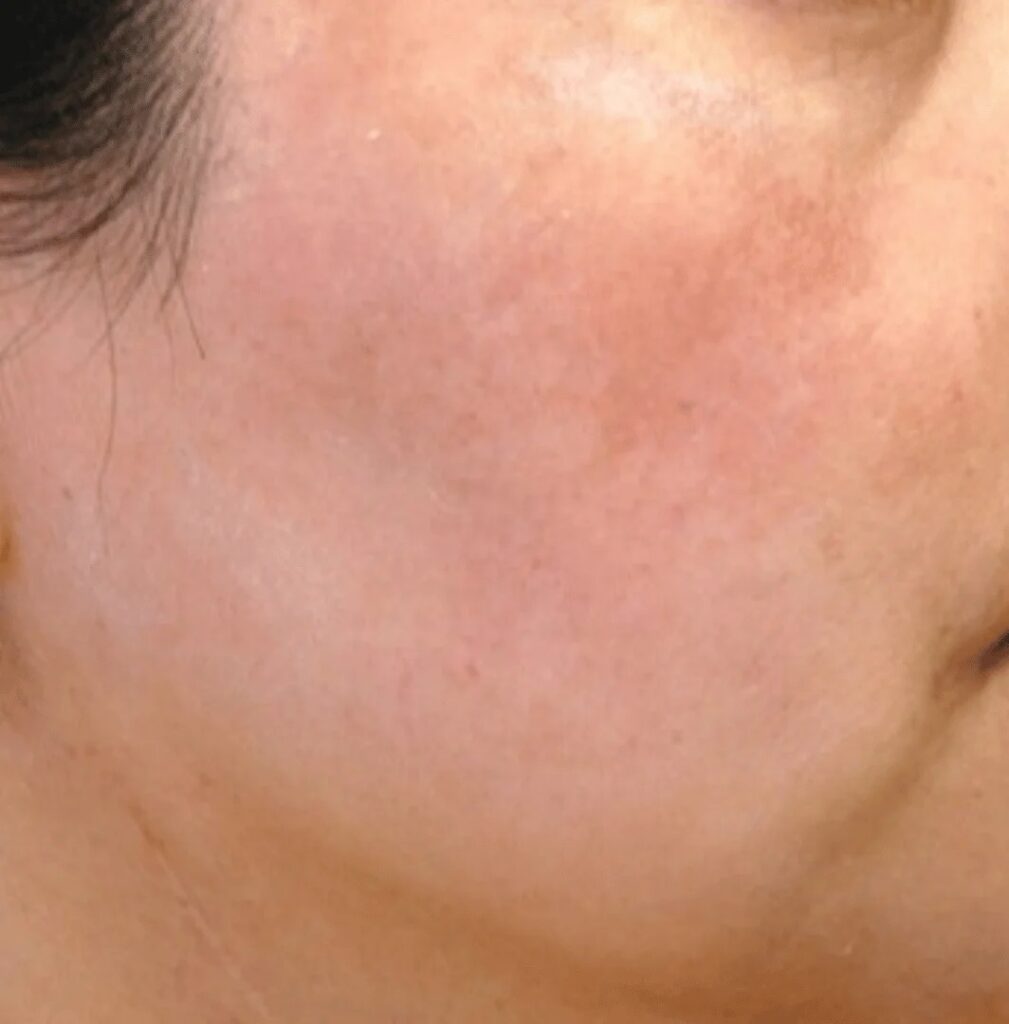
Freckles are small, flat spots on the skin that contain higher concentrations of melanin, the pigment that gives our skin, hair, and eyes their colour.
Do Freckles Fade with Age? Read More »
Freckles are small, flat spots on the skin that contain higher concentrations of melanin, the pigment that gives our skin, hair, and eyes their colour.
Do Freckles Fade with Age? Read More »
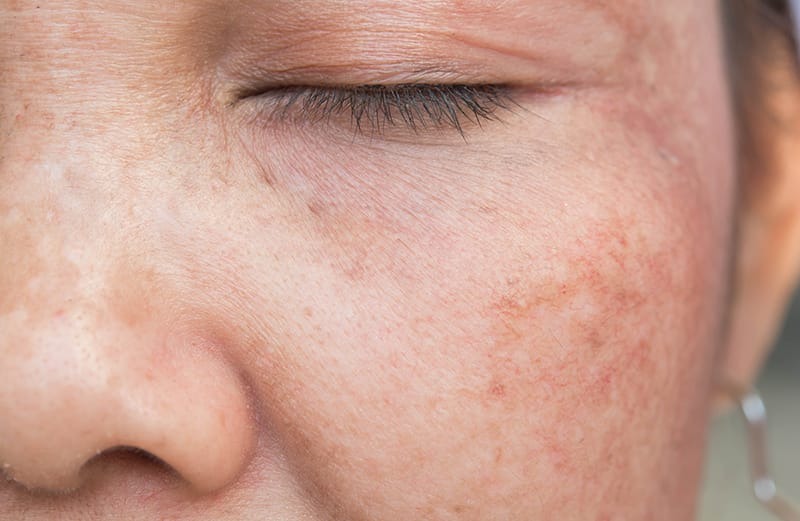
Pigmentation concerns such as sunspots, melasma, and uneven skin tone are highly common in Singapore’s sunny climate.
5 Common Pigmentation Myths You Should Stop Believing Read More »
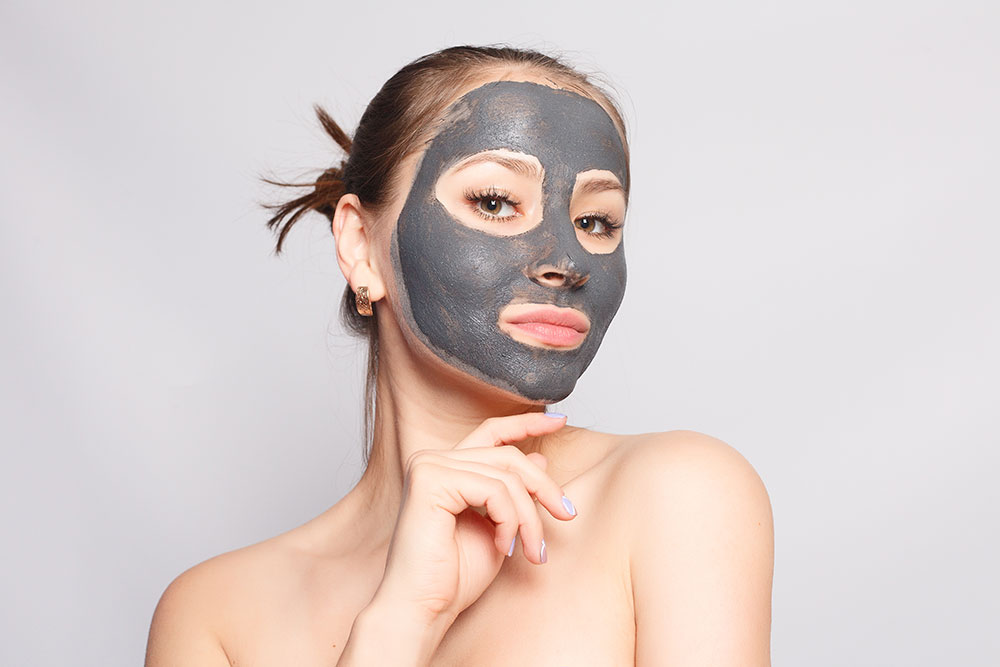
Masks help reduce the spread of germs, but they can also disrupt the delicate balance of your skin. When you breathe and speak, heat and moisture build up under the mask, softening the outer layer of your skin. Add friction from fabric rubbing against your cheeks and nose, and you have the perfect recipe for barrier damage. Over time, this can heighten skin sensitivity, leading to redness, dryness and even small cracks that let irritants penetrate more easily.
Is Your Mask Secretly Destroying Your Skin Barrier? Read More »
No two faces age the same way. One person may notice early signs of pigmentation in their 30s, while another may struggle with skin laxity or dullness in their 40s and beyond. Some experience hormonally driven changes, while others see the effects of long-term sun exposure or stress.
Melasma, those brown or grey-brown patches that often appear on the face, can be frustrating and stubborn. While not harmful, melasma can affect self-confidence, especially when flare-ups occur suddenly or worsen despite our best efforts.
How to Manage Melasma Without Making It Worse Read More »
If you prefer a more gradual approach or are just starting to see early signs of ageing, incorporating a retinol or retinoid cream into your routine can make a big difference over time. These products help increase cell turnover and support collagen production, making them a popular choice for tackling fine lines and uneven skin tone.
Wrinkle Reduction Treatments That Actually Fit Your Life Read More »
Unlike traditional facelifts that involve incisions and recovery time, non-surgical options use external energy-based technologies to support your skin and its deeper layers. These treatments work by encouraging collagen production, improving muscle tone, and gently tightening the skin, no needles, no stitches, no downtime.
Tighten, Tone, Glow: The Real Benefits of a Non-Surgical Facelift (That Go Beyond Looks) Read More »
We’ve all seen the immediate glow you get after a facial, skin looks smoother, fresher, and more radiant. But what many people don’t realise is that regular facials can do so much more than that. Beyond the quick boost, professional facial treatments work with your skin’s natural processes to keep it healthy and resilient over time.
How Facial Treatments Can Transform Your Skin Health Long-Term Read More »
Facials aren’t just about glow, they can also help with fine lines, dullness, and skin elasticity. Treatments that stimulate collagen, hydrate deeply, and encourage circulation can help your skin look firmer and feel smoother over time.
Is Fat Freezing Right for You? What to Ask Your Aesthetics Doctor Before the Procedure Read More »
If you’ve been eating well, staying active, and still struggling with stubborn pockets of fat, you’re not alone. Areas like the lower tummy, love handles, and thighs can be hard to shift, even with regular exercise. That’s where fat freezing (also known as cryolipolysis) comes in.
How Often Should You Get a Facial? Tips for Building the Perfect Skincare Routine Read More »