Melasma Assessment & Treatment
Medical Assessment and Management of Melasma
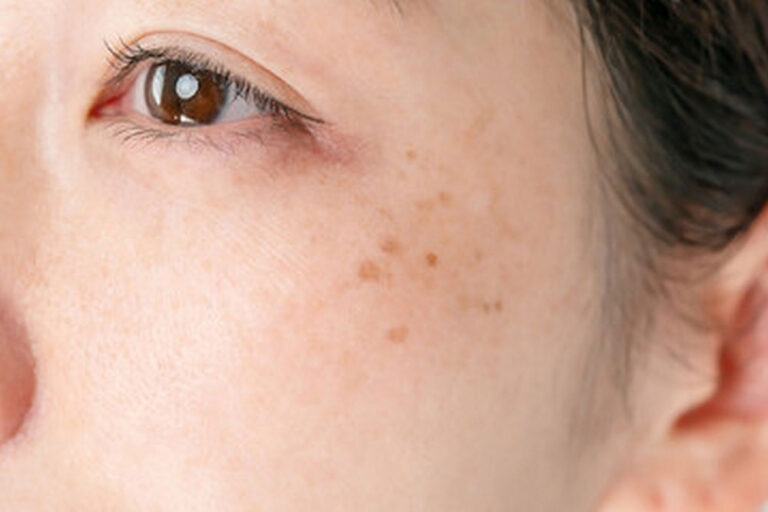
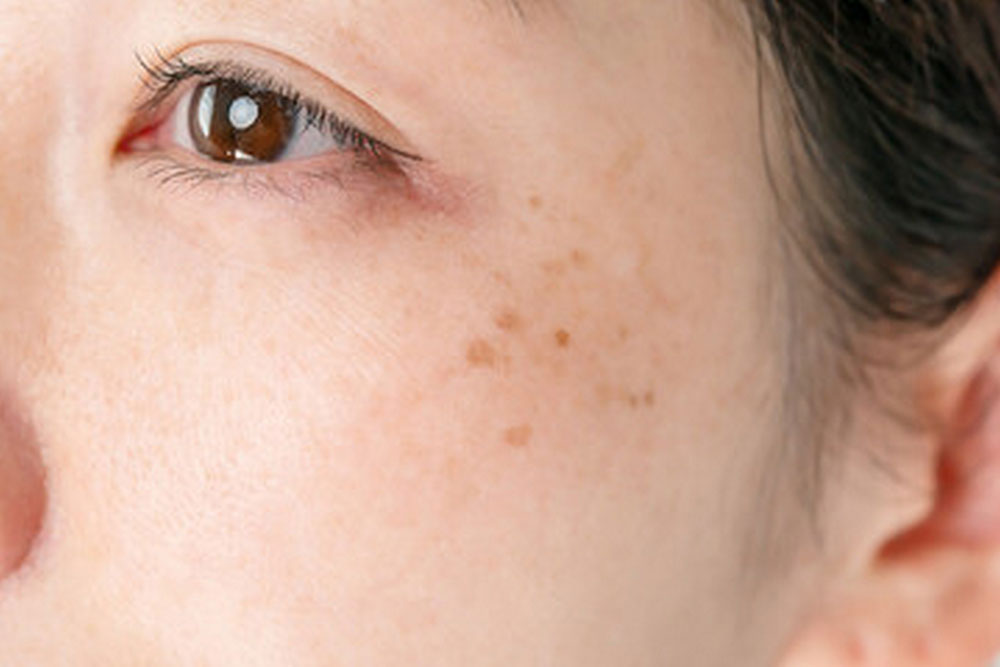
Melasma is a common skin condition characterised by areas of increased pigmentation, most often affecting the face. It typically appears as symmetrical brown or grey-brown patches on the cheeks, forehead, nose, upper lip, or chin.
Although melasma is not harmful, it may become more noticeable over time or following sun exposure and hormonal changes. As other pigmentary conditions can resemble melasma, medical assessment is important to establish the diagnosis before considering treatment.
Management is individualised and depends on the pattern of pigmentation, medical history, skin characteristics, and clinical assessment.
Key Points
- Melasma is a common pigmentary skin condition that most often affects the face.
- It commonly presents as symmetrical brown or grey-brown patches.
- Sun exposure, hormonal influences, and genetic factors may contribute to its development.
- Melasma is usually a long-term condition that may fluctuate over time.
- Medical assessment helps distinguish melasma from other causes of facial pigmentation.
- Management depends on the diagnosis and individual clinical assessment.
- A consultation with a doctor is required to discuss suitability, treatment options, expected limitations, possible risks, alternatives, and aftercare.
What Is Melasma?
Melasma is a pigmentary skin condition caused by increased melanin within certain areas of the skin. It most commonly affects:
- the cheeks
- forehead
- bridge of the nose
- upper lip
- chin
The pigmentation usually develops gradually and often appears on both sides of the face.
What Causes Melasma?
The exact cause of melasma is not fully understood. Several factors have been associated with its development, including:
- sun exposure
- hormonal changes
- pregnancy
- oral contraceptives or hormone therapy
- genetics
- certain medications
- visible light exposure
More than one contributing factor may be involved.
Does Melasma Always Need Treatment?
No. Melasma is a benign skin condition and does not always require treatment. Whether management is appropriate depends on:
- the extent of pigmentation
- individual concerns
- previous treatments
- medical history
- clinical assessment
Your doctor will discuss the available management options based on your individual circumstances.
Lorem ipsum dolor sit amet, consectetur adipiscing elit. Ut elit tellus, luYou may wish to arrange a consultation if:
ctus nec ullamcorper mattis, pulvinar dapibus leo.
When Should Melasma Be Assessed?
- you notice new areas of facial pigmentation
- pigmentation becomes more noticeable over time
- previous treatments have not met your expectations
- you are unsure whether the pigmentation is melasma
- you would like to discuss management options
Assessment is recommended before considering cosmetic treatment.
How Is Melasma Assessed?
During your consultation, your doctor will assess:
- the pattern of pigmentation
- the distribution of affected areas
- skin characteristics
- medical history
- hormonal history where appropriate
- previous treatments
- medications
This assessment helps establish the diagnosis and determine whether treatment or further evaluation is appropriate.
What Treatment Options May Be Discussed?
Management depends on the diagnosis and individual clinical assessment. Depending on your condition, your doctor may discuss:
- observation
- topical treatment where clinically appropriate
- laser-based procedures where clinically appropriate
- chemical peels where appropriate
- medical skincare
- measures to reduce sun exposure
Not every individual with melasma requires the same management approach.
What Happens During Treatment?
If treatment is considered appropriate following assessment, your doctor will explain:
- the recommended management plan
- the expected treatment course
- possible risks and limitations
- aftercare instructions
- alternative management options where applicable
The number of treatment sessions and follow-up appointments varies according to the management plan.
What Should I Expect After Treatment?
Recovery and follow-up depend on the management approach selected and individual factors. Your doctor will advise you on:
- follow-up appointments
- aftercare recommendations
- ongoing skin care where appropriate
- signs that should prompt medical review
Melasma may change over time, and management plans may be reviewed during follow-up consultations.
What Are the Possible Risks and Side Effects?
The possible risks depend on the treatment performed. Temporary effects may include:
- redness
- swelling
- dryness
- peeling
- mild discomfort
Less common risks may include:
- pigment changes
- infection
- blistering
- scarring
Your doctor will discuss the expected benefits, limitations, possible risks, alternatives, and recovery before treatment.
Who May Not Be Suitable for Treatment?
Certain procedures may not be appropriate for individuals who:
- are pregnant, depending on the treatment being considered
- have an active skin infection
- have recently tanned skin
- are taking certain photosensitising medications
- have medical conditions requiring further evaluation before treatment
Suitability can only be determined during a medical consultation.
Frequently Asked Questions
Is melasma harmful?
Melasma is generally a benign skin condition. However, medical assessment is recommended to confirm the diagnosis and exclude other causes of facial pigmentation.
Can melasma go away on its own?
The behaviour of melasma varies between individuals. Some people notice changes over time, while others experience persistent pigmentation.
Does everyone with melasma need treatment?
No. Whether treatment is appropriate depends on your individual circumstances and clinical assessment.
Can melasma come back after treatment?
Melasma is often a long-term condition that may change over time. Your doctor will discuss what to expect based on your diagnosis and management plan.
How many treatment sessions are needed?
The number of treatment sessions depends on the management approach selected and your individual clinical assessment.
Should I use sunscreen if I have melasma?
Your doctor may recommend measures to reduce sun exposure, including the use of sunscreen where appropriate, as part of your overall skin care plan.
Considering Assessment for Melasma?
If you have noticed facial pigmentation or would like to understand whether your skin changes may be due to melasma, your doctor can assess your skin and discuss the available management options based on your individual condition.
General Information
The information on this page is for general education and does not replace individual medical advice. Suitability, treatment options, risks, fees and expected outcomes can only be determined following consultation with a doctor. Results vary between individuals.
Medical Consultation
A medical consultation is required to assess suitability and discuss the expected benefits, limitations, possible risks, alternatives and recovery.