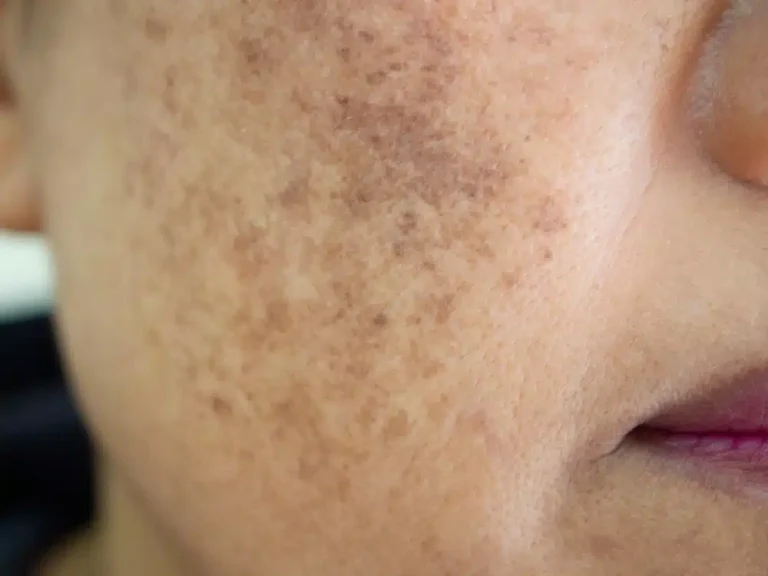

Pigmentation Assessment & Treatment
Medical Assessment and Management of Skin Pigmentation
Pigmentation refers to the natural colouring of the skin, which is influenced by a pigment called melanin. Changes in pigmentation may appear as darker, lighter, or differently coloured areas of skin and can occur for many different reasons.
Some pigmentary conditions are present from birth, while others develop over time because of factors such as sun exposure, inflammation, hormonal influences, ageing, genetics, or underlying medical conditions.
Because many pigmentary conditions look similar, a medical assessment is important to establish the diagnosis before treatment is considered.
Key Points
- Pigmentation refers to changes in the colour of the skin.
- Different pigmentary conditions have different causes and management approaches.
- Pigmentation may be present from birth or develop later in life.
- Medical assessment helps determine the underlying cause before treatment is considered.
- Not every pigmentary condition requires treatment.
- Management depends on the diagnosis and individual clinical assessment.
- A consultation with a doctor is required to discuss suitability, treatment options, expected limitations, possible risks, alternatives, and aftercare.
What Is Skin Pigmentation?
Skin pigmentation refers to the colour of the skin and the way pigment is distributed within it.
Changes in pigmentation may appear as:
- darker patches
- lighter patches
- isolated pigmented spots
- widespread colour changes
- birthmarks
The appearance varies depending on the underlying condition.
What Causes Pigmentation?
Several factors may contribute to changes in skin pigmentation, including:
- genetics
- sun exposure
- hormonal influences
- previous inflammation or skin injury
- ageing
- certain medications
- underlying skin conditions
More than one contributing factor may be present.
What Types of Pigmentation Can Occur?
Pigmentation may be broadly grouped into several categories.
Pigmentation Present from Birth
Some pigmentary lesions are present at birth or develop during early childhood.
Examples include selected birthmarks and congenital pigmented lesions.
Pigmentation That Develops Later in Life
Some pigmentation develops over time and may be associated with:
- sun exposure
- hormonal changes
- previous skin inflammation
- ageing
Examples include melasma, freckles, age spots, and post-inflammatory pigmentation.
Vascular Skin Lesions
Some skin lesions appear red, purple, or pink because they involve blood vessels rather than pigment-producing cells.
Examples include selected vascular birthmarks and vascular lesions.
Your doctor will determine the diagnosis during consultation.
Does Pigmentation Always Need Treatment?
No. Many pigmentary conditions are harmless and do not require treatment. Whether treatment is appropriate depends on:
- the diagnosis
- the type of pigmentation
- its location
- associated symptoms
- medical history
- individual treatment goals
Observation may be appropriate for some individuals.
When Should Pigmentation Be Assessed?
You may wish to arrange a consultation if you:
- notice new pigmentation
- develop changing pigmented lesions
- are unsure about the cause of skin colour changes
- have pigmentation following acne or skin inflammation
- would like to understand the available management options
Medical assessment is particularly important if a pigmented lesion changes in colour, size, shape, or appearance.
How Is Pigmentation Assessed?
During your consultation, your doctor will assess:
- the appearance of the pigmentation
- colour
- distribution
- size
- medical history
- previous skin conditions
- previous treatments
- any recent changes
This assessment helps establish the diagnosis and determine whether treatment or further investigation is appropriate.
What Treatment Options May Be Discussed?
Management depends on the diagnosis and individual clinical assessment.
Depending on your condition, your doctor may discuss:
- observation without treatment
- skincare recommendations
- topical treatment where clinically appropriate
- laser-based procedures where clinically appropriate
- chemical peels where clinically appropriate
- other procedures based on the findings during consultation
- referral for further medical evaluation where indicated
Not every pigmentary condition requires the same management approach.
What Happens During Treatment?
If treatment is considered appropriate following assessment, your doctor will explain:
- the recommended management plan
- the expected treatment course
- possible risks and limitations
- aftercare instructions
- alternative management options where applicable
The number of treatment sessions and follow-up appointments varies according to the diagnosis and management plan.
What Should I Expect After Treatment?
Recovery and follow-up depend on the treatment performed and individual factors.
Your doctor will advise you on:
- aftercare requirements
- follow-up appointments
- sun protection where appropriate
- signs that should prompt medical review
Treatment outcomes and recovery vary between individuals.
What Are the Possible Risks and Side Effects?
The possible risks depend on the treatment performed.
Temporary effects may include:
- redness
- swelling
- mild discomfort
- dryness
- peeling
Less common risks may include:
- blistering
- infection
- pigment changes
- scarring
Your doctor will discuss the expected benefits, limitations, possible risks, alternatives, and recovery before treatment.
Who May Not Be Suitable for Treatment?
Certain procedures may not be appropriate for individuals who:
- have an active skin infection
- have recently tanned skin
- are taking certain photosensitising medications
- have pigmented lesions requiring further medical evaluation
Suitability can only be determined during a medical consultation.
Frequently Asked Questions
What causes changes in skin pigmentation?
Changes in skin pigmentation may result from genetics, sun exposure, hormonal influences, ageing, inflammation, medications, or underlying skin conditions.
Is all pigmentation the same?
No. Different pigmentary conditions have different causes, appearances, and management approaches. Medical assessment helps establish the correct diagnosis.
Does every pigmentary condition require treatment?
No. Many pigmentary conditions are harmless and do not require treatment. Whether treatment is appropriate depends on the diagnosis and individual clinical assessment.
What treatment options are available?
Your doctor will discuss suitable management options based on the findings during consultation and your individual diagnosis.
How many treatment sessions are needed?
The number of treatment sessions depends on the diagnosis, the management plan, and your individual clinical assessment.
When should pigmentation be medically assessed?
Medical assessment is recommended if pigmentation changes in appearance, develops new symptoms, or if you are unsure about its cause.
Considering Assessment for Pigmentation?
If you have noticed changes in your skin colour or pigmentation, your doctor can assess the affected area, establish the diagnosis, and discuss the available management options based on your individual condition.
General Information
The information on this page is for general education and does not replace individual medical advice. Suitability, treatment options, risks, fees and expected outcomes can only be determined following consultation with a doctor. Results vary between individuals.
Medical Consultation
A medical consultation is required to assess suitability and discuss the expected benefits, limitations, possible risks, alternatives and recovery.