Birthmark Assessment & Treatment
Medical Assessment and Treatment for Pigmented and Vascular Birthmarks
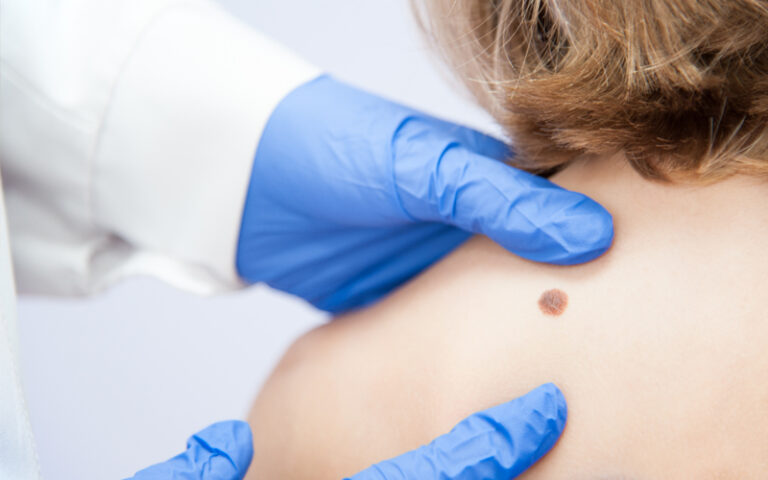
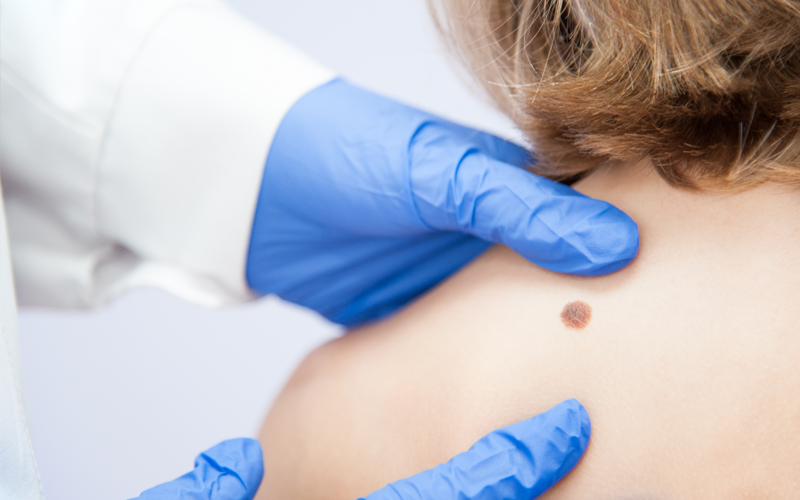
Birthmarks are common skin lesions that may be present at birth or develop during early childhood. They vary in colour, size, shape, and location, and may appear anywhere on the body.
Many birthmarks are benign and do not require treatment. However, some individuals seek medical assessment because the birthmark has become more noticeable, causes cosmetic concerns, or has changed in appearance.
A medical assessment is important to establish the diagnosis and determine whether treatment or continued observation is appropriate.
Key Points
- Birthmarks are common skin lesions that may be present at birth or develop shortly afterwards.
- Birthmarks can be pigmented or vascular, and management depends on the specific type and individual clinical assessment.
- Many birthmarks are harmless and do not require treatment or intervention.
- Medical assessment is recommended before considering cosmetic treatment to confirm the diagnosis and determine whether treatment is appropriate.
- Management options vary depending on the type, location, size, and characteristics of the birthmark.
- Not every birthmark is suitable for laser treatment, and some may require observation or referral for further medical evaluation.
- The number of treatment sessions and recovery vary according to the treatment selected and individual circumstances.
- A consultation with a doctor is required to discuss suitability, treatment options, expected limitations, possible risks, alternatives, and aftercare.
What Is a Birthmark?
A birthmark is a skin lesion that is present at birth or develops shortly afterwards. Birthmarks differ in appearance depending on the type of skin cells or blood vessels involved.
They may be:
- flat or raised
- light or dark in colour
- small or extensive
- located anywhere on the body
Some birthmarks remain unchanged throughout life, while others become less noticeable over time.
What Are the Different Types of Birthmarks?
Birthmarks are generally classified into two broad categories.
Pigmented Birthmarks
Pigmented birthmarks are associated with increased pigment within the skin.
Examples include:
- congenital melanocytic naevi (moles)
- café-au-lait macules
- naevus of Ota
- Becker’s naevus
- naevus spilus
These birthmarks may appear brown, black, grey, or blue.
Vascular Birthmarks
Vascular birthmarks involve blood vessels within the skin.
Examples include:
- port-wine stains
- salmon patches
- selected haemangiomas
These birthmarks may appear pink, red, purple, or bluish depending on the type.
Do Birthmarks Always Need Treatment?
Many birthmarks are harmless and do not require treatment.
Whether treatment is appropriate depends on several factors, including:
- the type of birthmark
- its location
- whether it has changed over time
- associated symptoms
- individual treatment goals
In some cases, observation without treatment may be the most appropriate approach.
When Should a Birthmark Be Assessed?
You may wish to arrange a medical consultation if a birthmark:
- has changed in colour, size, or shape
- has developed new symptoms such as bleeding or irritation
- is located in an area of cosmetic concern
- has become more noticeable over time
- raises questions about diagnosis or management
Assessment is also recommended before considering cosmetic treatment.
How Is a Birthmark Assessed?
During your consultation, your doctor will evaluate:
- the type of birthmark
- colour
- size
- location
- medical history
- any recent changes
- previous treatments, if applicable
This assessment helps determine the diagnosis and whether observation, treatment, or referral is appropriate.
What Treatment Options May Be Discussed?
Management depends on the diagnosis and individual clinical assessment.
Depending on your condition, your doctor may discuss:
- observation without treatment
- laser-based procedures where clinically appropriate
- referral for further medical assessment where indicated
Not every birthmark requires treatment, and not every birthmark is suitable for laser procedures.
What Happens During Treatment?
If treatment is considered appropriate following assessment, your doctor will explain:
- the recommended procedure
- the expected treatment course
- possible risks and limitations
- aftercare instructions
- alternative management options where applicable
The number of treatment sessions and follow-up appointments varies according to the type of birthmark and the treatment selected.
What Should I Expect After Treatment?
Recovery and follow-up depend on the procedure performed and individual factors.
Your doctor will advise you on:
- expected recovery
- aftercare requirements
- follow-up appointments
- signs that should prompt medical review
Treatment outcomes and recovery vary between individuals.
What Are the Possible Risks and Side Effects?
The possible risks depend on the treatment performed.
Temporary effects may include:
- redness
- swelling
- mild discomfort
- crusting
Less common risks may include:
- blistering
- pigment changes
- infection
- scarring
Your doctor will discuss the expected benefits, limitations, possible risks, alternatives, and recovery before treatment.
Who May Not Be Suitable for Treatment?
Certain procedures may not be appropriate for individuals who:
- have an active skin infection
- have recently tanned skin
- are taking certain photosensitising medications
- have lesions requiring further medical evaluation
Suitability can only be determined during a medical consultation.
Frequently Asked Questions
Can every birthmark be treated?
No. Management depends on the type of birthmark, its characteristics, and the findings during medical assessment. In some cases, observation or referral may be recommended.
Do birthmarks disappear on their own?
Some birthmarks become less noticeable over time, while others remain throughout life. This varies according to the type of birthmark.
Can laser be used for birthmarks?
Depending on the diagnosis and individual assessment, your doctor may discuss whether laser treatment is an appropriate management option.
How many treatment sessions are needed?
The number of treatment sessions varies according to the type of birthmark, the treatment selected, and your individual clinical assessment.
Should every birthmark be assessed before treatment?
Yes. Assessment helps confirm the diagnosis and determine whether treatment is appropriate or whether further investigation is recommended.
Can a birthmark come back after treatment?
The long-term behaviour of a birthmark depends on its type and individual factors. Your doctor will discuss what to expect based on your diagnosis and management plan.
Considering Assessment for a Birthmark?
If you have noticed changes in a birthmark or would like to understand whether treatment is appropriate, your doctor can assess the lesion and discuss the available management options based on your individual condition.
General Information
The information on this page is for general education and does not replace individual medical advice. Suitability, treatment options, risks, fees and expected outcomes can only be determined following consultation with a doctor. Results vary between individuals.
Medical Consultation
A medical consultation is required to assess suitability and discuss the expected benefits, limitations, possible risks, alternatives and recovery.