
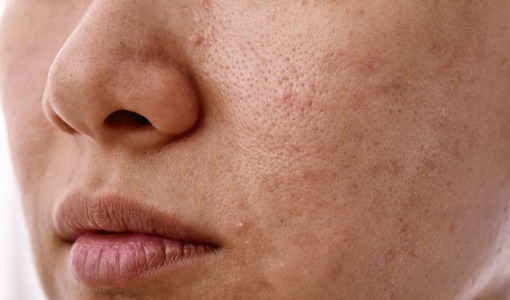
What is Laser Toning?
Laser toning is a non-invasive aesthetic procedure that uses selected laser wavelengths and settings to address certain pigmentation concerns and uneven skin tone. Compared with more intensive resurfacing procedures, it generally uses lower-fluence settings and is commonly performed over a series of sessions. Suitability, recovery time, response, and outcomes vary between individuals.
How Does Laser Toning Work?
Laser toning treatments deliver short bursts of light energy to the skin, usually via Q-switched or low-fluence Nd:YAG lasers. The light energy is absorbed by pigmented areas in the skin, breaking the melanin into smaller particles that the body gradually clears over time.
What Skin Concerns May Benefit from Laser Toning?
Laser toning may be considered for individuals with:
- Uneven skin tone
- Selected cases of melasma or post-inflammatory hyperpigmentation
- Sunspots or age-related pigmentation
Not all skin conditions are suitable for laser toning. Also, Melasma and other pigmentation conditions may recur or worsen despite treatment.
A consultation is necessary to determine whether this procedure is appropriate for your concerns.
Who May Not Be Suitable?
Laser toning may not be recommended for individuals who:
- Have active skin infections or open wounds
- Are pregnant or breastfeeding
- Have recently undergone sun exposure or tanning
- Have certain skin types that may be prone to pigmentation changes
- Are taking photosensitising medications
- Have unrealistic expectations about treatment outcomes
The suitability of laser toning will be assessed during a consultation with a doctor.
What to Expect During a Session
A laser toning session usually takes 20 to 45 minutes, depending on the area being treated. Here’s what to expect:
- Your skin will be cleansed prior to treatment.
- Protective eye shields will be provided.
- The laser device is passed over the treatment area in multiple passes.
- You may experience a mild tingling or warming sensation during the session.
Temporary redness, warmth, or swelling may occur following treatment. The nature and duration of these effects vary between individuals.
How Many Sessions Are Needed?
More than one session may be recommended. The number and interval of sessions depend on the condition being treated, skin type, treatment response, and clinical assessment. Results vary and cannot be guaranteed.
Pre- and Post-Treatment Care
Before treatment:
- Avoid sun exposure and tanning for 1–2 weeks prior.
- Discontinue retinoids or exfoliants as advised.
- Inform your doctor of any skincare products or medications you are using.
After treatment:
- Apply sunscreen daily and avoid direct sun exposure.
- Use gentle skincare products.
- Avoid harsh treatments or exfoliants for several days.
- Do not pick, scrub, or irritate the treated area.
Your doctor will offer specific post-care instructions based on your skin type and the laser used.
Potential Risks
Possible temporary effects may include redness, warmth, mild swelling, dryness, peeling, and increased sensitivity to sunlight. Less common complications may include burns or blistering, prolonged inflammation, hyperpigmentation, hypopigmentation—including mottled pigment changes—infection, or scarring. Pigmentation conditions, including melasma, may recur or worsen. Risks vary according to the laser and settings used, skin type, treatment area, and individual response.
Book a Medical Consultation
A medical consultation is required before laser treatment. One of our doctors will assess your skin condition and medical history and discuss suitable options, expected benefits, limitations, possible risks, and aftercare.