
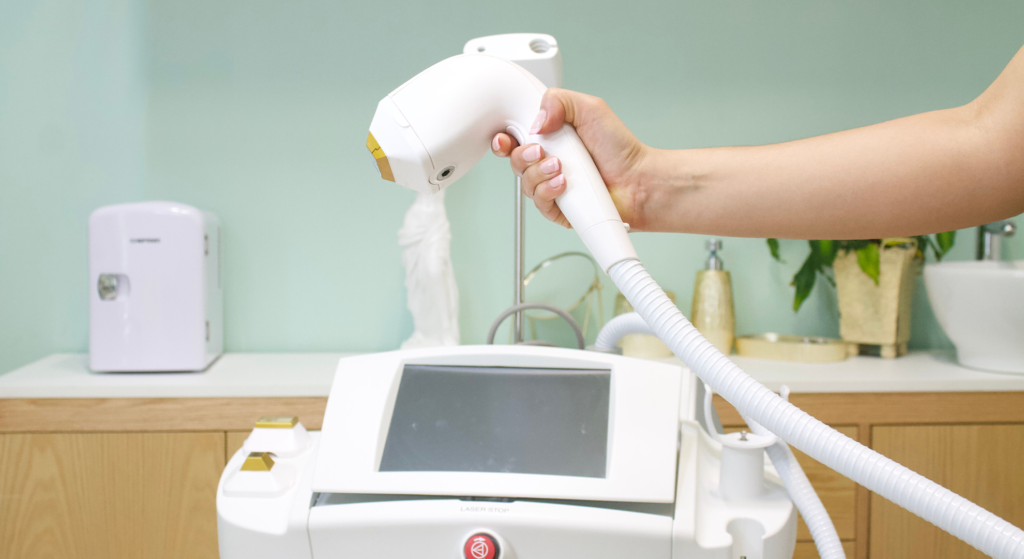
Many people who once embraced tattoos later decide to remove them for personal, professional, or lifestyle reasons. Fortunately, tattoo removal has evolved significantly over the years. Modern laser technologies can target tattoo pigments with greater precision while helping to minimise damage to the surrounding skin. Understanding how these treatments work can help you make a more informed decision before seeking a consultation.
Key Takeaways
- Advanced laser tattoo removal uses targeted light energy to break down tattoo pigments while preserving surrounding skin.
- Different laser wavelengths can be selected based on the tattoo’s colour and depth.
- Multiple treatment sessions are usually required, with the number varying from person to person.
- A consultation with a qualified medical doctor helps determine a personalised treatment plan based on your skin type and tattoo characteristics.
Why Is Modern Tattoo Removal Different from Older Methods?
Older tattoo removal methods often relied on techniques that could be less precise and involved a higher likelihood of skin injury. Today, laser technology has become the preferred medical approach because it is designed to selectively target tattoo ink.
Modern laser systems work by,
- Delivering short bursts of laser energy into the skin.
- Breaking larger ink particles into much smaller fragments.
- Allowing the body’s natural immune system to gradually remove these fragmented pigments over time.
- Reducing unnecessary exposure of the surrounding skin to heat.
This selective approach allows treatment to focus on tattoo pigments rather than affecting healthy skin.
How Does Advanced Laser Tattoo Removal Improve Safety?
Modern laser systems incorporate technological improvements that support safer treatment when used appropriately. Some key safety advantages include,
- Greater precision- Specific wavelengths can target different tattoo ink colours more effectively, and surrounding skin receives less unnecessary laser exposure.
- Adjustable treatment settings – Energy levels can be customised according to skin tone, tattoo location, ink depth and tattoo age
- Cooling technologies- Some laser systems include skin cooling methods that may improve comfort during treatment.
- Medical assessment before treatment- A consultation helps determine whether laser tattoo removal is suitable for your individual skin condition and medical history.
Although modern technology has improved treatment approaches, every medical procedure carries potential risks. Your doctor will explain the expected benefits, possible side effects, and aftercare recommendations before treatment.
What Makes Modern Lasers More Effective?
Not all tattoos respond in the same way. Several factors influence how well a tattoo may respond to treatment. Modern laser technologies can better address,
- Black and dark blue inks, which often respond well to certain laser wavelengths.
- Multiple ink colours using different laser settings where appropriate.
- Older tattoos that may have already faded naturally.
- Professional and amateur tattoos, although treatment response may differ.
The effectiveness of treatment depends on several individual factors, including,
- Tattoo colours
- Ink composition
- Tattoo size
- Tattoo depth
- Skin type
- Location on the body
- Individual healing response
Because of these variables, the total number of treatment sessions cannot be predicted with certainty before assessment.
What Can You Expect During Recovery?
Recovery after laser tattoo removal is generally straightforward when aftercare instructions are followed carefully. After treatment, it is common to experience,
- Mild redness
- Temporary swelling
- Tenderness around the treated area
- Formation of small blisters or scabs in some individuals
Your doctor may recommend,
- Keeping the treated area clean and dry.
- Avoiding unnecessary friction or scratching.
- Protecting the skin from direct sun exposure.
- Following all aftercare instructions provided during your consultation.
Proper aftercare supports normal healing between treatment sessions.
Who May Be Suitable for Laser Tattoo Removal?
Laser tattoo removal may be considered by individuals who,
- Wish to remove or lighten an unwanted tattoo.
- Are preparing for a tattoo cover-up.
- Have realistic expectations regarding treatment outcomes.
- Are willing to complete multiple treatment sessions if recommended.
A medical consultation is important because suitability depends on your overall health, skin type, and tattoo characteristics.
Frequently Asked Questions
How many laser tattoo removal sessions are needed?
The number of sessions varies depending on factors such as tattoo size, colours, depth, skin type, and individual healing response. Your doctor can provide a personalised assessment during consultation.
Is advanced laser tattoo removal suitable for all tattoo colours?
Different laser wavelengths target different pigment colours. Some colours may respond more readily than others, and treatment plans are customised accordingly.
Will laser tattoo removal leave scars?
When performed appropriately and when aftercare instructions are followed, laser tattoo removal aims to minimise damage to surrounding skin. However, individual healing varies, and your doctor will discuss potential risks during consultation.
Can I return to normal activities after treatment?
Many people can resume most daily activities soon after treatment. Your doctor may advise avoiding activities that could irritate the treated area until healing progresses.
Considering Tattoo Removal in Singapore?
If you are exploring options for unwanted tattoo removal, a consultation can help you understand whether advanced laser tattoo removal is appropriate for your skin and tattoo.
At Neuglow, Dr Gerard Tan and Dr. Liew K. C. will assess your tattoo, discuss suitable treatment options, explain what to expect throughout the treatment journey, and answer your questions so you can make an informed decision.
Book a consultation with Neuglow to receive an individualised assessment and discuss your tattoo removal options.